


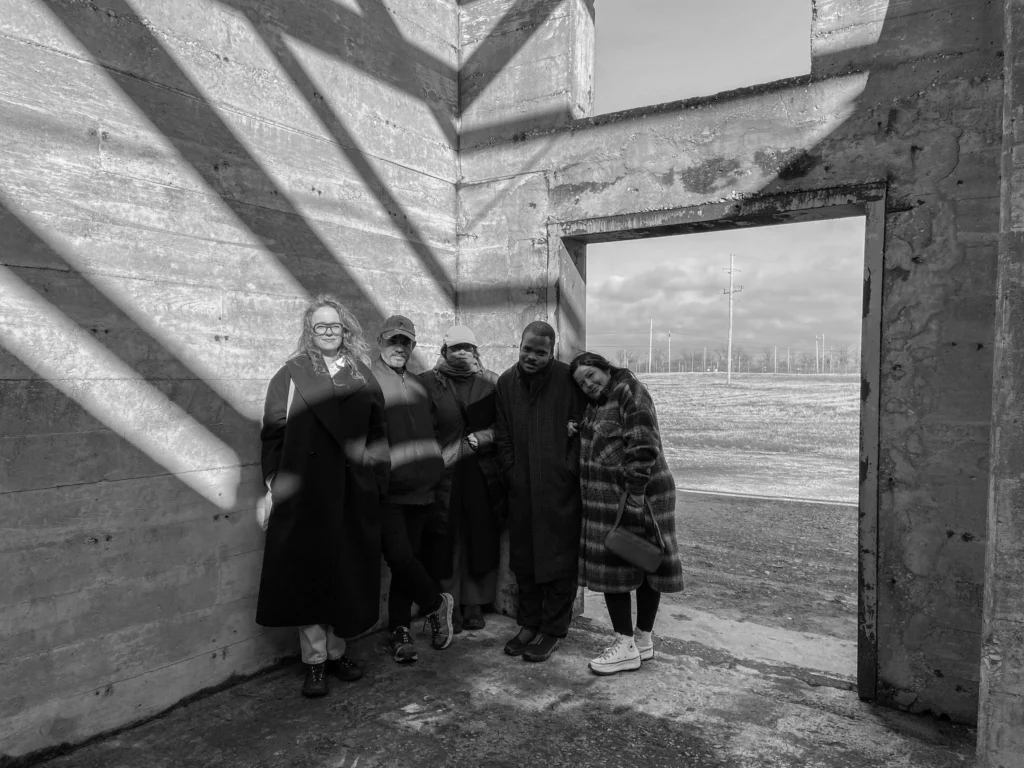


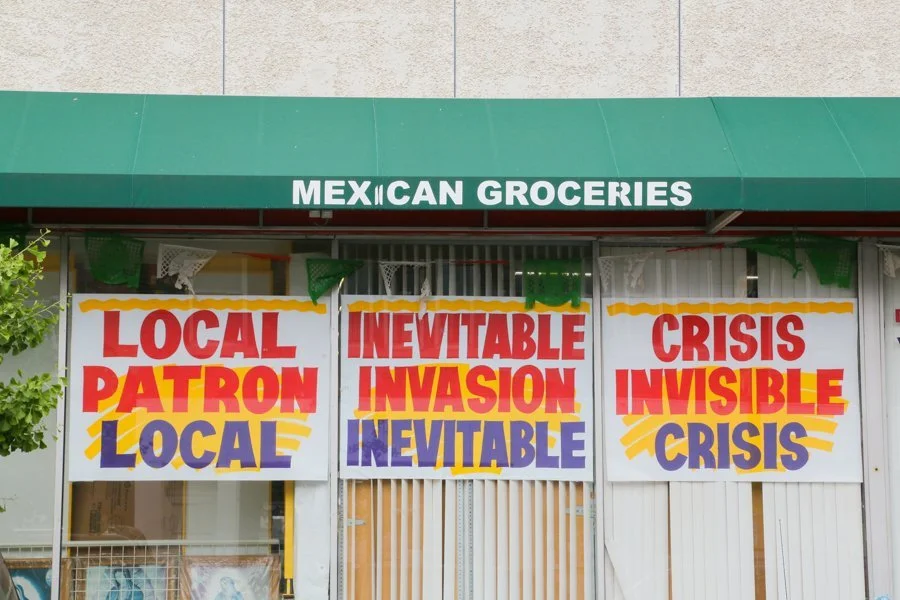


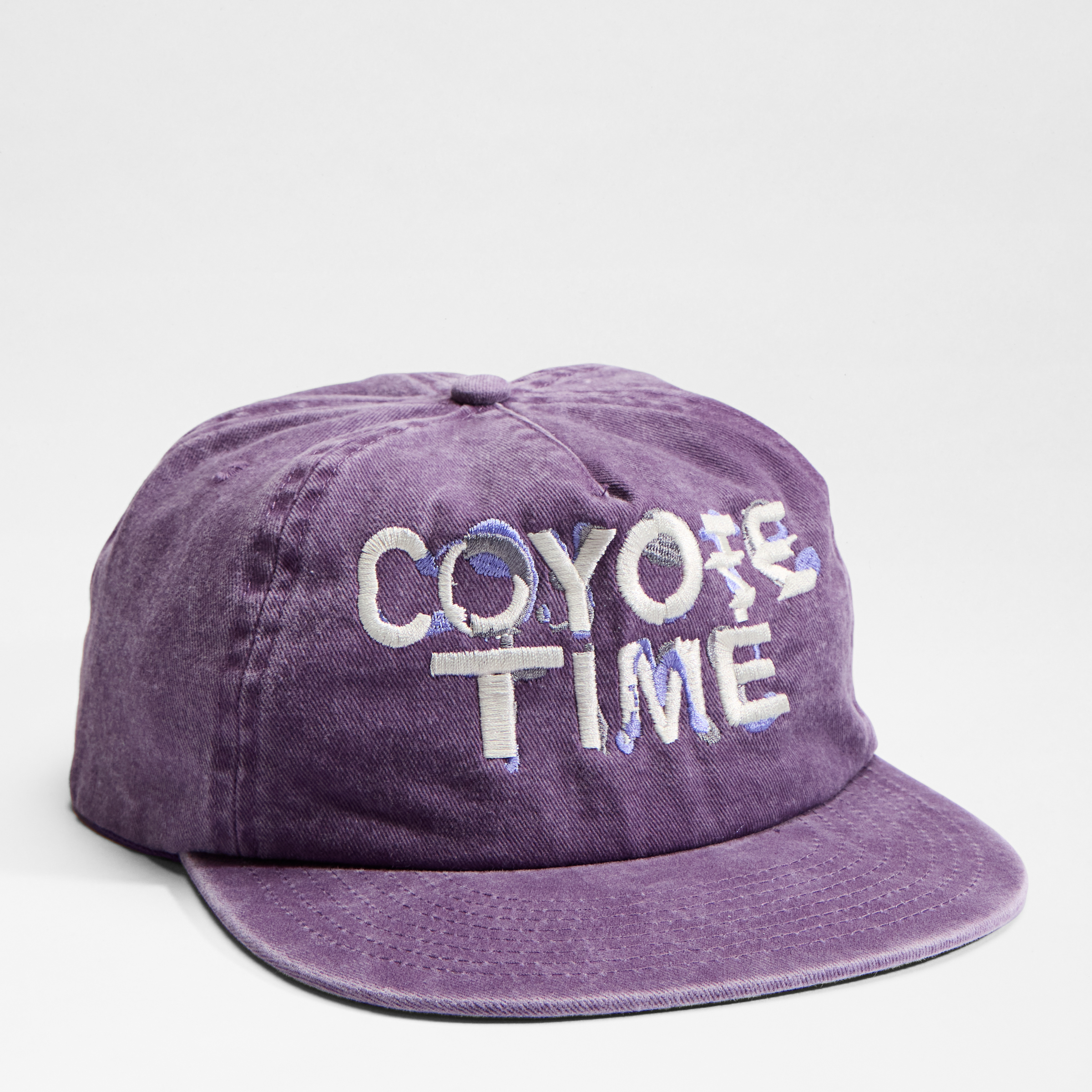
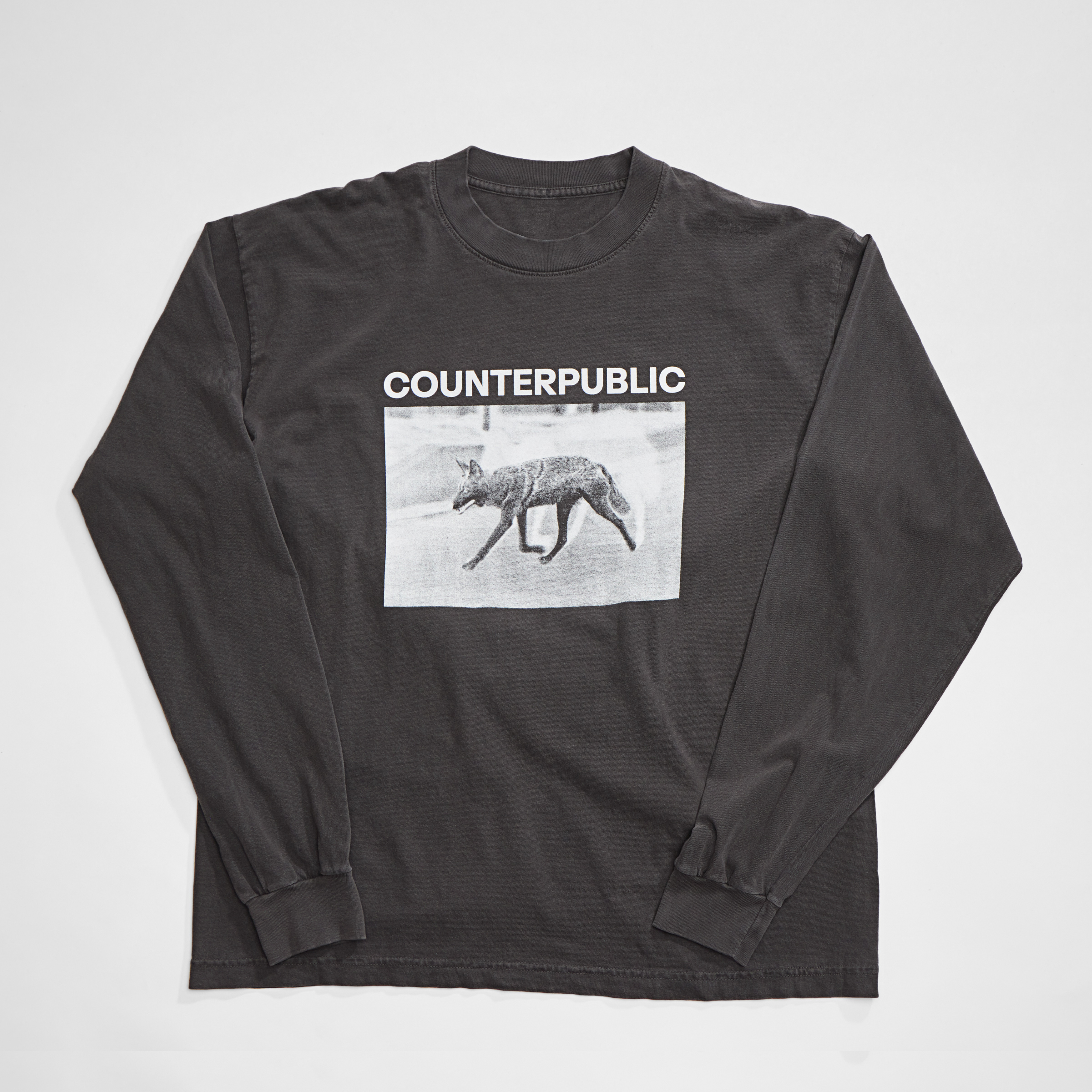








Coyote Time opened Thursday, September 10 presenting an exhibition around the idea of a shared future shaped by artists’ creativity and invention. The opening night featured a celebration at Powell Hall, home to the St. Louis Symphony Orchestra where they performed artist Alice Bucknell’s Coyote Time score from her video game work. The opening weekend included artist activations, programming, and events that engaged the Triennial five key sites that carry historical and civic significance: the Mississippi riverfront, The Ville neighborhood, the International Institute of St. Louis, National Building Arts Center, and regional museums and galleries.
Embedded within the St. Louis community, Counterpublic built the foundation for the 2026 edition through a process of convenings and feedback from a diverse group of 1,400 residents from 25 different neighborhoods throughout the region. Community members were asked what brings them joy, what sustains them, and their visions for St. Louis. The curatorial team, Jordan Carter, Raphael Fonseca, Stefanie Hessler, Nora N. Khan, and Wanda Nanibush, worked with artists to explore this input, trace histories, and create works centering ecological crisis, education, immigration, displacement, and civic initiative.
On view through December 12, 2026, the public works collectively highlight the history of the land, people, and community today with a resounding message of imagination and hope. From Glenn Ligon’s serpentine brick sculpture honoring the hidden history of enslaved labor that built St. Louis to the temporary pop up food events created by Rirkrit Tiravanija in collaboration with Soph Anderson, CB Roman, and the International Institute of St. Louis, each piece powerfully addresses the local as well as global structural and political conditions of today.

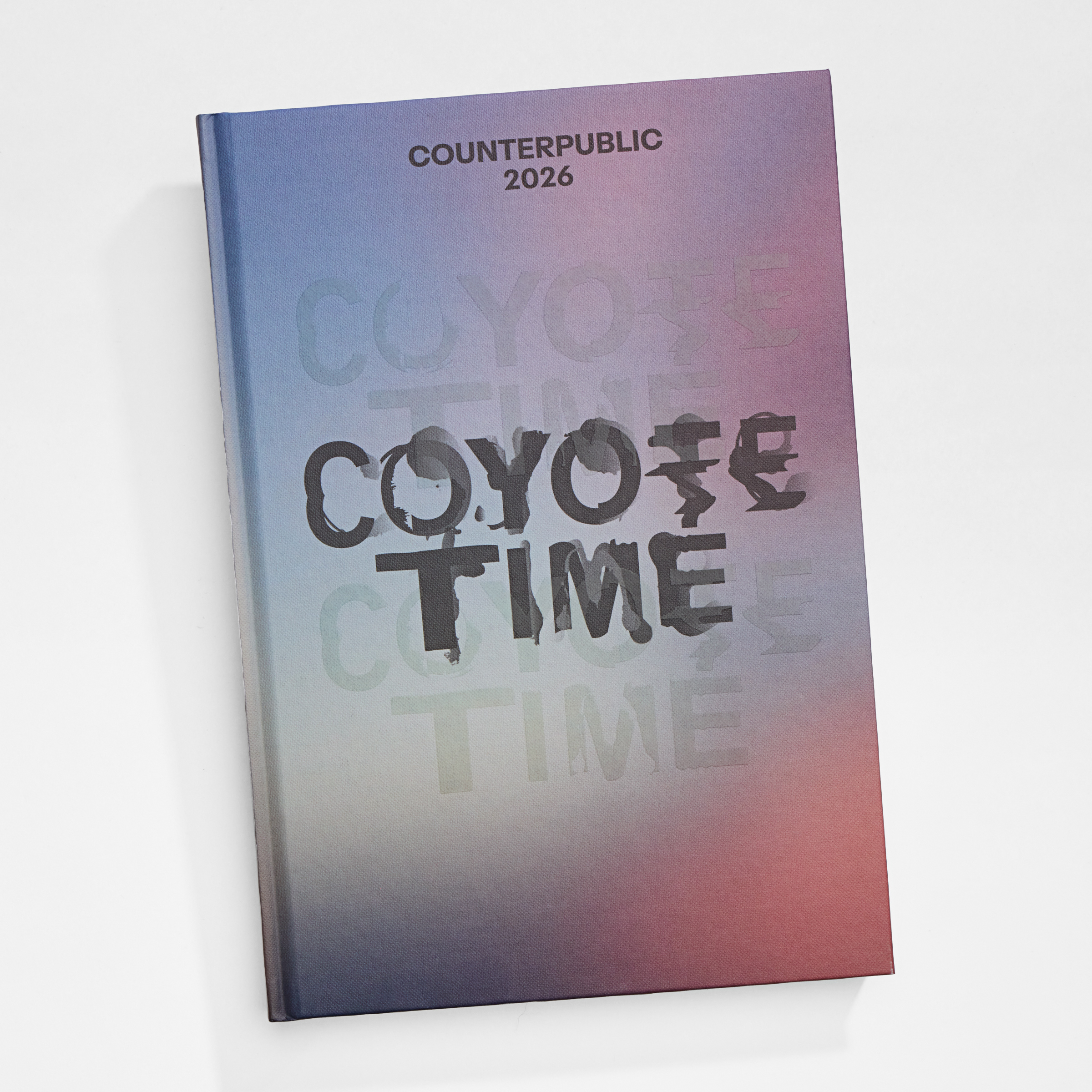
The presentation is accompanied by the Coyote Time publication. Featuring commissioned essays, poetry, visual responses, and a climate action framework for future exhibitions, Counterpublic offers a template for other similar organizations to think about environmental impact. The catalogue serves as the primary document for thought leadership and exhibition interpretation. It gives an indepth look at each commissioned work with essays from the curatorial team. The book was edited by James McAnally and Kristin Fleischmann Brewer, designed by Omnivore, and published by Inventory Press.

Across the Triennial, Counterpublic emphasizes low-carbon production practices and climate accountability. There will be a Climate Convening program held October 23-25, and a climate impact report will be released publicly in spring 2027 including a greenhouse gas inventory and an overview of learnings from mitigation and adaptation strategies from the exhibition.